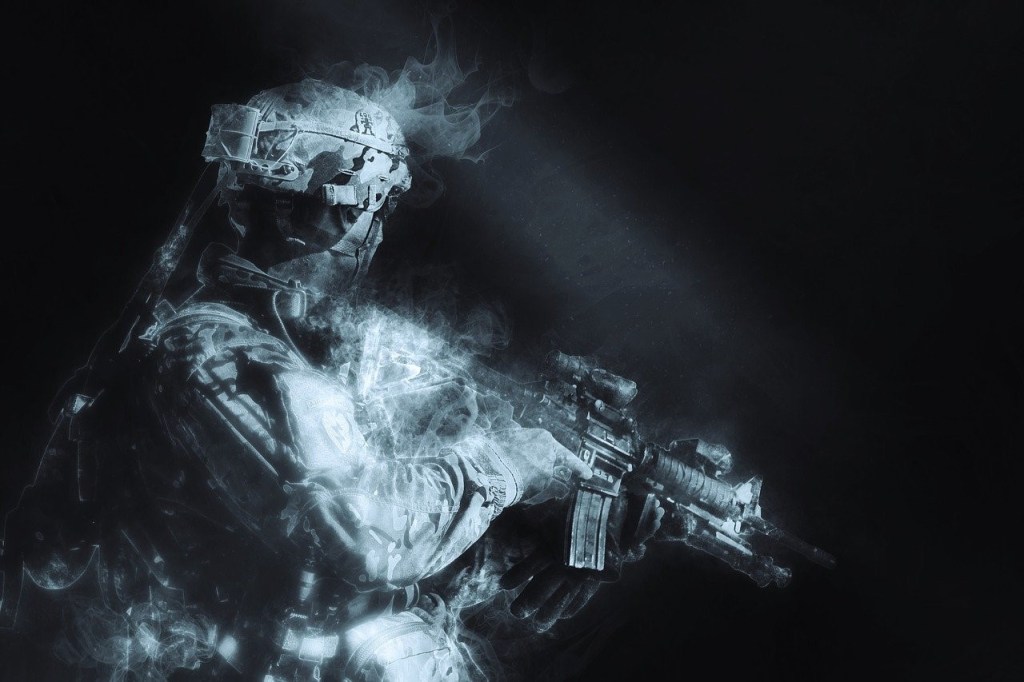
War is a highly captivating theme that can capture a reader’s interest in military fiction. The significance of military stories in today’s world of fiction cannot be overstated, although writing military fiction is challenging. This genre demands action, accuracy, and storytelling finesse. Writers often face the dilemma of balancing realism with reader engagement while writing such narratives.
If you’re planning to create a military fiction of your own and facing the right point to start, you are not alone. Here is a step-by-step guide on how you can write engaging military fiction that has the power to hook the readers till the end.
Understanding the Military World
The first thing you need to know about writing military fiction is that you’ll have to do a lot of reading. When your readers open your book, they expect the details to be as realistic as possible. You don’t have to be a soldier to know about all this, but it helps to know about ranks, tactics, and weaponry.
Today’s readers are smart; if something does not fit in how they imagine a battle sequence or a soldier’s life, they’ll not continue reading. If you want your book to have a better hook and an immersive story, you’ll need to consult books that have previously executed this job with flying colors.
For instance, “How to Make a Monster: The Slenderfoot Story” by S. T. Hatlaban can be a great reference to start. This book is set against a ruthless cold war, blending geopolitics and sci-fi in an enigmatic story. Reading this book can teach you quite a few things about the right way to depict war realistically.
Developing Strong Characters
A compelling military fiction highly relies on its main characters. For readers to continue reading the book till the end, the characters need to have some relevance and depth to them. Think of it as adding layers to the people in your story; give them strengths, but also don’t leave out their weaknesses. Show them going through the whole metamorphosis, showing their emotional and physical growth.
If you are working on your main character, develop their background and where they come from. What drives them? Are they the men who’ve fought in many battles, or is this their first war?
Make sure your characters’ reactions to events feel genuine. How would someone react to losing a comrade or making a tough battlefield decision?
A great example can be found in “How to Make a Monster: the Slenderfoot Story.” In this novel, the author skillfully interconnects the characters’ feelings with the action occurring in a battle scene. It also signifies that your characters’ arcs are as significant as the wars they wage, so do your homework when creating your original story.
Writing Gripping Action Scenes
A good battle scene does not contain mere explosions or gunfire sounds but strong action sequences with great tactics, intense pressure, and high stakes.
Here’s a simple tip: Plan your fight scenes before you write them. Consider where each character is located, what they want to achieve, and how they will achieve it.
Don’t create your scenes with too much professionalism; never go extremely technical about the weapons. Yes, realism is crucial, but so is readability.
The best battle scenes are detailed and include the reader in the scene. Let them breathe adrenaline, feel the gunshots, and experience the consequences of actions taken in the heat of the operation.
A perfect example of this technique is in “How to Make a Monster,” where the author vividly describes thrilling action sequences involving Dr. Fyodor Molozov and his partner, Dr. Ekaterina Markov. Together, they journey through Russia’s frigid expanse with the help of their shape-shifting armies and guard the honor of their territory. The author, Hatlaban, with the help of illustrator D. Dart, has turned every action sequence into a cut-throat competition between opposing forces. As you read through the pages, you’ll come to know what it takes to craft a truly riveting military fiction story.
Common Mistakes to Avoid
Some writers often make common mistakes when writing military fiction, which can be easily avoided if they do the following.
First, do not confuse your readers with redundant or complex technical terms. Since you’re writing for laypeople, you should know that not everyone is aware of the military language. Like AWOL (Absent Without Leave) and MIA (Missing In Action), which may confuse those unfamiliar with military language.
Ignoring the role of emotions in war. Let your characters have moments where they can sit down, observe the situation, and contemplate a given event.
Finally, keep your story fresh. If every battle scene feels the same, readers will lose interest. Find ways to vary your action—use different settings, strategies, and motivations for each conflict.
Why You Should Read “The Slenderfoot Story?”
It perfectly captures the essence of military fiction and combines strategic battle scenes with deep character development. The Slenderfoot Story combines the excitement of a sci-fi story with the tension of the Cold War. It follows Nadia, a young shapeshifter, as she and her friends struggle with their identities and the true intentions of their creators. The story raises important questions about what it means to be human and the risks of ambition.
The Slenderfoot Story’s engaging plot and complex characters are exactly what makes military fiction so popular. You’ll learn a lot by studying how the author builds tension, creates believable military scenarios, and writes characters who feel real.
Time to Start Your Military Fiction Writing
Writing military fiction takes time, patience, and a lot of creativity. But with the right tools and techniques, you can write a story that keeps readers on the edge of their seats. Whether you’re planning epic battles or quiet moments between comrades, remember to focus on realism and emotion.
As a final tip, check out “How to Make a Monster: The Slenderfoot Story!” It’s packed with valuable insights and examples that can help shape your writing.
Grab your copy now, take inspiration, and write stories that will captivate readers.
 Howlietzer Publishing
Leave a comment